

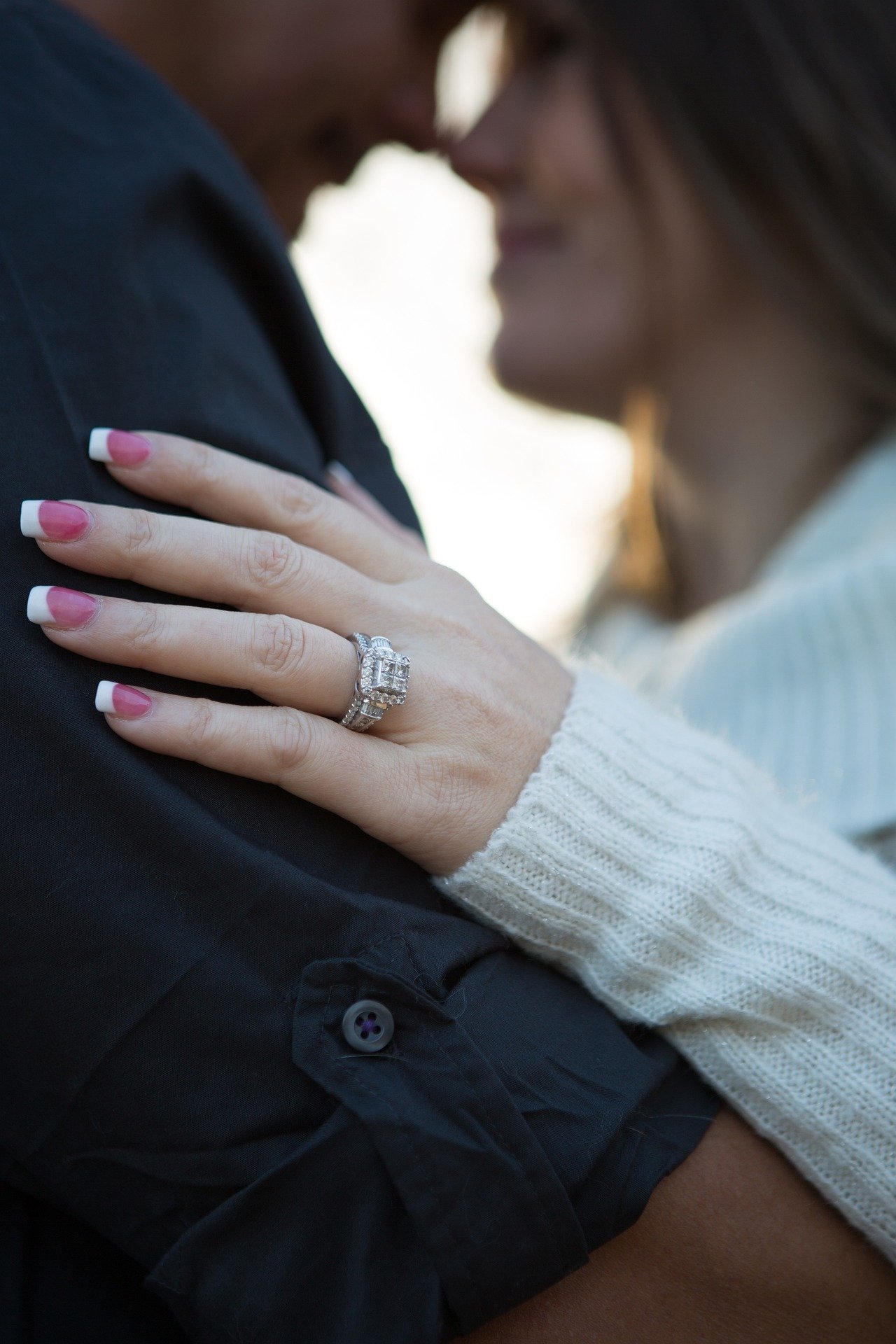
The Marriage Proposal — How to Get it Right and Make It Count
Greetings, gentlemen! Holiday time is here, and God has been pressing me to write about the marriage proposal for you. I believe this is for somebody out there… you’re out there somewhere! Obviously, you’re here because you want to get this right, and you can. If you’re young and in love, this post is for you. If you’ve never done this before — regardless of age — this post is for you as well. If your first rodeo failed, you’re welcome to a seat at the table. This may offer something helpful.
Guys, for whatever it’s worth, you may only ever have one shot at this. And trust me, she’s been dropping you hints all along. This is every little girl’s dream.
Get ready gentlemen, we’re going to unpack this. We’re going to cover ALL your bases. So stick with me here. Grab a cup of coffee, saddle up, and take a seat.
In this post we’re going to talk about what a marriage proposal is really all about, some delicate boundaries you want to be aware of, and how to pull this off in a way that makes it one of the most memorable occasions for both of you. There is a lot that goes into a proper marriage proposal — more than you may even realize. There are things every gentleman needs to know that might readily be missed, or perhaps you are just unaware. By the end of this post, you will be well-prepared to pull this off successfully without any regrets. This post is actionable, so please have a pen and paper handy. Let’s get to it.
TABLE OF CONTENTS
#1 How to Talk About Marriage
#2 Asking Permission for Her Hand
#3 “Will You Marry Me?”
#4 Planning the Event and Preparing for Her Response
#5 Unrequited Love Proposals
#6 Rules of the Ring
#7 Your Second Chance
#1. How to Talk About Marriage
Do not offer a marriage proposal prematurely. Do not even think about a marriage proposal until you’ve thoroughly discussed marriage.
You cannot allow this discussion to intimidate you. You’re adults. There’s no wasting time. Most couples, within six months to one year, have a pretty solid idea if their significant other is a potential spouse. If you’re serious, marriage deserves to be discussed. Intentions need to be clear, because romantic relationships either move toward marriage or they eventually end. That’s the reality. Those who dance around this pretentiously waste years of their lives in a game that never goes anywhere. There’s no destination, and it can feel very uncertain, even becoming jilting in the end. There’s no need for that.
READ: Preparing for Marriage
Discussing marriage requires depth and breadth because this will be the single most important decision of your life. This is not about establishing whether or not you want to be married someday. Rather, this is about what a married life together will look like, and I encourage you to keep it very private. I heartily recommend you bar intruding opinions. This kind of discussion requires solitude and planning. I encourage you to set a private time where you can grant one another 100% of your undivided attention. That means you clear your schedule. You are rested, well fed, and you set an appropriate mood for dialogue and deep heart-felt discussion. Try your best to eliminate any distractions or interruptions.
Here are some examples of questions you may consider: What does marriage look like to you? What are your expectations? What kinds of roles do you want to play? Do you want children? If so, what does parenting look like? Who will be the breadwinner? How will relationships change or grow and what will those boundaries look like? What aspirations or callings do you have, and what will they require? That’s just to start.
As we age, the topic of marriage naturally becomes more complex. We’re likely established with a home, career, and investments of various kinds — not merely monetary, but relational, vocational, and otherwise. When we are young some of these areas in life are not fully developed. This can be to your advantage, as your lives can be woven together in such a way that you are able to plan and grow together. Marrying is much easier on a practical scale when you’re young. But if you marry later in life, it can be quite challenging on many fronts. You’ll want to cover every topic very carefully to make sure both of you can join your lives, and do so with as much ease as possible. Both of you will have concessions and compromises to make, which may be challenging. All of these areas need to be weighed carefully. These discussions should not be construed as a promise or offer of marriage. You are doing your diligence together to make a well-informed and honest decision.
Do NOT bring up marriage to her unless you are serious about it. If she’s hinted to you that she’s interested in marriage, then you need to address the topic with her promptly and honestly. Be as forthright as possible.
Marriage is about becoming one. Love, although it is wonderful, may not always be enough to accomplish the oneness we desire with another person. We also need compatibility. There is an emotional and spiritual side to the marriage covenant, and there is also a very practical and pragmatic side. The fundamental keys to a happy and successful marriage are found in the following foundational elements. There are five main categories you will need to critically assess for compatibility: Personal Mores, Life Purpose, Strategy, Personal Needs and Desires, and Health.
1. Personal Mores
Personal mores are the “governors” guiding our lives, by which we ultimately strategize and navigate. Personal mores are the most critical foundational elements for marital compatibility, and thus they are also the most contentious. In short, these will make or break your marriage. Each of you need to be able to identify what these are and where you stand, because if these are not satisfied, or if they are violated or breached, they can present irreconcilable differences by which a marriage can ultimately be broken. They either cause hard stops or forge clear straight paths. When these are shared between you they will enable you to create a strong foundation upon which you can build a fortified healthy marriage. If you’re at odds, however, prepare for war.
• Core Tenets of Faith
• Core Beliefs (not merely religious)
• Core Values
• Core Guiding Principles
• Cultural and/or Family Traditions
• Character and Integrity
• Moral Compass
• Code of Ethics
• Matters of Personal Conscience
2. Life Purpose
You will need to be able to define a clear life purpose when discussing marital compatibility. God wants you both to be fruitful and multiply. To do that, you need to be able to join forces with your spouse, who will be your greatest ally. But if you both have different plans, this marital trajectory will eventually derail your lives, and neither of you will fulfill God’s will. When your life’s purpose is compatible you have a far greater probability of fulfilling His plan. You will be able to be fruitful and multiply. You will rest satisfied, and ultimately be fulfilled in life.
• God-given Calling or Mission
• Personal Vision
• Drive and Ambition
• Life Priorities
• Short and Long-Term Goals
• Personal Pursuits
• Consummate Life Purpose
• Destiny and Legacy
3. Strategy
The manner in which we think, assess, acclimate, and navigate our lives is summarized in our strategy. This is one area where differences can go either way, being advantageous or detrimental. Positive differences can be very complimentary as they offer a synergy that makes for a powerful team. You will reach new heights of possibility and discovery you could have never achieved alone. Differences that are negative, however, can be detrimental, creating cracks and rifts that are difficult to bridge. But if you both think alike, there can be enormous potential in the powerful cohesion of agreement that brings solidarity.
• Critical Thinking
• Problem-Solving Skills
• Conflict Resolution
• Decision-Making Processes
• Education and Intellect
• Daily Habits, Rituals, and Routine
• Delegation and Investment of Resources (time, energy, money)
4. Personal Needs and Desires
The greatest needs and desires within us are those that ultimately make us fruitful human beings, which is God’s will and design. These are areas where oneness occurs. It’s where we create, experience love, belonging, grow, and change. Being compatible means you will both share and grow together. Incompatibility, on the other hand, will starve a marriage cold.
Sexual compatibility will be paramount, and sex should be discussed transparently in all its forms. Sexual discussions deserve a sanctified space all their own and should cover the entire spectrum: everything from personal libido, sexual style, likes and dislikes, to one’s sexual history.
When our spouse cannot share these areas (for whatever reason), or is unwilling to share, we are deprived of oneness, and marriages die.
• Sex, Intimacy, and Companionship
• Family Relationships
• Friendships
• Children and Parenting
• Domestic Life
• Community Life
• Vocational and/or Professional Life
• Hobbies and Creative Life
• Finances (the #1 cause of divorce)
5. Health
Health is paramount when discussing compatibility within marriage. As an RN, I can speak to this area indelibly. Those who enjoy good health often don’t realize how detrimental issues of health can be for people. It’s simply not an area with which they are personally familiar or well-informed. Some maintain that health is the single greatest resource we all have aside from our time, energy, and money. If you want children, you will need to discuss blood types, genetic diseases, chromosomal disorders, sexual disorders, gynecological diseases or disorders, fertility issues, and any other genetic disease within the family tree that could impact your children. These will be of central importance. If you want children, you will need to be able to afford options outside the realms of any inability to conceive or carry to full-term, which are all very expensive. In these instances, children will become lifelong investments for both of you.
People can sadly have what is loosely termed a ‘bad gene pool’ by the medical community. Some people are just not healthy. It’s that simple. Bad gene pools can create a complex web of illnesses that feed into one another, creating peripheral health problems and other co-morbidities that advance with age; all which are either exacerbated or improved upon by lifestyle choices. Chronic illness, disease, or disorder can sadly suck a marriage dry physically, emotionally, and monetarily. When someone has chronic disease, it can be incredibly complex. Some are manageable with lifestyle and proper treatment, and still others are very difficult to manage or treat even with advanced medical care and cutting-edge technology. Others just cut life very short, and life expectancy becomes a key issue for family planning. Whatever disease is present, know that your future spouse will also bear that burden, both in supporting you, and in suffering with you.
But genetics is merely the beginning of your health discussion. Health also includes our chosen lifestyle, environment, preventative medicine, hygiene, and our mental and emotional well-being. The ability to think clearly, be able-bodied, handle stress, stay regulated, and produce for the family is of critical importance. Previous trauma, illness, or disease may be scarring, although it’s presently resolved, thus limiting your physical or mental capabilities. Emotional and mental dysregulation, illness, or trauma can honestly bring some of the greatest challenges, such as various addictions and other hidden behavioral issues like hoarding, overspending, job instability, and sexual promiscuity. Mental and emotional illness can be cyclical, and have many triggers. Disease of any kind can cause great embarrassment. People who suffer in these areas can struggle with a sense of shame, and will be inclined to hide or camouflage them. People can get really good at this. But once they’re married, these issues become impossible to hide. They will emerge in glaring ways, which can cause marital stress resulting in annulment or divorce. If either of you struggle, it’s imperative to disclose any mental or emotional health issues, so as not to defraud your partner.
Being able to enjoy one another sexually is central to marital health, and a healthy sex life requires that we be physically fit. Certain diseases, injuries, trauma, or health histories (ie. rape, infertility, menopause, endometriosis, erectile dysfunction, etc.) can sadly bring what may seem to be insurmountable complications for a healthy, joyous, and fruitful sex life. Be willing to discuss sex in a manner that is comprehensive, in all its realms, including sexual history. Sex is monumental in marriage, and it truly deserves a sanctified space all its own in your discussions about marriage.
In conclusion, poor health can propose various liabilities, disabilities, and risks that can make marriage incredibly challenging, insufferable, or even what some would say is formidable. It not only brings financial complications, but requires a great deal of physical and emotional investment as well. Please do your utmost to discuss health fully, transparently, and realistically. Know what you can, are willing, and are able to sustain.
If you both find that you are reasonably healthy, rejoice. You are very blessed indeed.
• Genetics
• Chronic Pain
• Illness and Disease
• Injury or Impairment
• Trauma
• Physical Health
• Mental and Emotional Health
• Reproductive and Sexual Health
• Spiritual Health
The Boundaries of Discussion
I want to dispel any fears or reticence you may have when talking about marriage. As you can see, there’s a lot of ground to cover, which can be intimidating and overwhelming. Before you begin, list potential deal-breakers, and areas where you are willing to compromise or concede to your spouse. Understand that similarities do not necessarily equate with overall compatibility. Differences may not necessarily become deal-breakers either. In fact, they can be powerful compliments. Know where you are willing to bend, compromise, learn, grow, mold, and to what extent you’re able to make painful concessions. Be honest when differences create a clash that will derail both of you, despite any ardent love you may share. There may be huge obstacles to overcome such as debt or illness. We all have a threshold, and limits to what we are able to endure or invest before we completely lose ourselves. To what extent is God calling you or asking you to ‘lay down your life’ for this woman? Only you will be able to answer that. But it is amazing what true love will bear.
Is Love Enough?
However, the old addage that “love is not enough” is sometimes true, unfortunately. Some individuals are just not marriage material. There are many cautionary tales. It is true that you can genuinely fall in love with someone who would make a poor marriage partner. Sadly, couples find this out far too late. When flames begin to fade, and the rose has lost its bloom, you’ll need depth and substance to hold you together. It’s sometimes very hard to learn that we can love someone so deeply, even desperately, with whom we cannot find enough common ground to marry. Learn to acknowledge when you may be in love with someone who is not a potential marriage partner. You must be willing to face that possibility when you talk about marriage.
Engagement
If you have discussed marriage and come to the conclusion that you’re ready for engagement, there are various ways to discuss and seriously prepare for marriage. These discussion should endeavor to help you prepare for marriage; not merely discern a potential partner. Some of you may want to involve your parents if you’re young. Pastors and churches may also offer marriage counseling, or you can attend marriage conferences together and network with people who can offer you valuable resources and information. Focus on the Family has great resources for marriage preparation and there are many authors or teachers who offer online courses or workshops, and books you can read and/or podcasts you can listen to together, which are cost-effective. Regardless of what route you choose, you’ll want to cover your bases. And remember, foundation matters. Be willing to take the time to build a fortified foundation for your future marriage.
Our #1 Endorsement for Engaged Couples: We heartily recommend you consider The Gottman Institute, founded by John and Julie Gottman. Both are professionals who have conducted more than 50 years of ground-breaking and award-winning research in relationships, marriage, and parenting with world-renown success rates that topple divorce statistics across a diverse demographic spectrum.
Get these cards on the table so you can make an educated and informed decision about whether or not she really is “the one”. No regrets here. This first step could save both of you a lot of future heartache OR it could secure a beautiful legacy for your future, and many generations to come.
READ: The High Call of Husbandry
#1 TAKEAWAY
Discuss marriage thoroughly, honestly, transparently, and realistically.
The marriage discussion should not be construed as an offer of marriage.
It is the means by which you make an informed decision toward a possible marriage partner.
Initial discussions about marriage should be done privately.
Marriage counseling should be reserved for engagement, as a means for preparation.
#2. Asking Permission for Her Hand
There are so many variables to this step that it makes it nearly impossible to discuss. Therefore, I’m offering you the most traditional standard.
So, who do you ask? Her father, brother, eldest son?
She may not want you to ask anyone but her. If she’s an independent woman, this will likely absolve you of any obligation to obtain permission from another male figure.
If you’ve covered step #1, and you truly don’t know, you may inquire of her, “Is there someone I should ask for permission for your hand?” She will certainly tell you. Simply ask for his name and number.
By tradition, you would ask her father. But I will be the first to tell you that this is not always possible — nor is it necessary or even proper in some cases. Truth be told, fathers are largely missing today. Some have died. Some are just ‘bad dad’. Some are abusive and dangerous. Some are so removed, there is no relationship worth bearing you an answer. With that said, this can only be determined on a case by case basis. If she is not a dependent, or if she’s of age, she may not want any interference in her decision at all. She’s able to speak for herself.
Irrespective of age, if she comes from a traditional family, chances are this woman will have more than one male figure in her life to whom she is accountable or beholden. Yet it may not be her father. It could be an uncle, brother, grandfather, or even a grown son. It could even be a family friend. Father’s who are healthy, emotionally present, willing, and able, may be the right person to ask — but only if she has a relationship with her father that would warrant such a request.
If there is a male figure who stands guard for her, be ready and willing to ask him. Fulfill those obligations forthright. But if it’s not her father — don’t seek her father’s permission out of your strict regard for tradition. You may put her at risk. Transgressing that boundary in her life could be a deal-breaker for any hope of marriage. Much worse, it could cause internal family ruptures that are actually quite dangerous. If she has broken ties with her family, you must respect her boundaries.
In following tradition, when you’re ready, this means making a phone call to set an official appointment. No texting or emailing. It is sufficient to say, “I would like to request a private appointment (or audience) with you to discuss (her name).” At this juncture, you would allow him to set the date, time, and place. Clear your schedule. Meet him there and be prompt. Dress appropriately for the occasion and venue. You should present your very best and will have budgeted enough time to have a heart-to-heart discussion without any pending appointments.
It is very probable that this man will offer drinks, especially if you’re in his home; and if this man is her father it is very likely her mother will be present as well. He will set the standard and mood. Alcoholic beverages are customary and these show respect and decorum. These also convey leisure and ease. In general, the stiffer the drink: the heavier the topic. But if you can’t or don’t drink, you may kindly decline. If you’re at a venue, you must offer to pay. It is obligate, as you are the inquiring party. If he offers to pay, that is a gesture of gracious decorum, nothing more. Kindly insist and ask for the tab. He is calculating attention to every detail, and if you get this little bit right he will regard you in higher esteem as a man who knows his suits.
Be ready for very patient yet intensive questioning. It’s no matter at all that you’re the inquiring party, because this will not be a question tritely answered. He will want to know your feelings for her, your intentions, your plans, and what you see for her future, and probably whether or not you’ve discussed it with her. But his biggest concern will likely be if you can rightly support her. Above all, fathers are providers, in the most traditional sense. Most fathers have raised their daughters with a standard of living which they would expect a potential husband to either continue or aspire toward. Again, he set the standard. There may be some lenience to this if you’re young, but overall, they expect you to be able to afford her a comfortable life. You should not be begging for bread, and by no means put her in the way of hard labor to feed the family. You work hard, pay your taxes, and have some measure of net worth. He doesn’t want to hear that you’re in massive debt, between jobs, living in your mother’s basement, and the IRS will soon be garnishing wages. Kidding aside, if his standard is not one you can meet, you need to make that known, and be ready to discuss how you intend to attain a standard of living that is worthy of her well-being, and that of a future family. Expect him to pull your credit. If he does you the courtesy to ask “for your financial report” — be ready to offer it. You’re asking for his daughter. Let the man have it. Better yet, offer it even before he asks.
Permission and/or blessing may or may not be granted. It may need to be earned. That does not, however, mean you are at a hard stop. With that said, not many fathers (or mothers) would be willing to break a daughter’s heart if the love is true and there’s enough grit in you that shows promise. Many would even say it’s rightly her decision, whether they approve or not. Be ready to prove yourself. Be ardent, if you must, but not desperate. No begging. Be respectful, but never walk away caving or they will see your profession of love as insincere and weak. In most cases, you will have every right to continue your pursuit, and should plan to do so. Make your ardent love for her known along with your intentions to earn their approval and blessing. Despite any disapproval, you will win their respect.
Obviously, if she does not have a father, other male figures in her life may or may not be qualified to set a standard for her. They merely know her as their “mother”, “niece”, “sister”, or “friend”; and that’s the perspective from which they will be speaking to you. You may have even become close with them. They may not pay her bills. She might even be caring for them. But in light of this, their role is nonetheless one of guardianship. They stand in a role that speaks for her well-being, her best interest, and her emotional livelihood — so much as it depends upon them.
And then, you may have no one to ask at all. Many women have no male role model, either by the natural order or by choice. In such instances, there may be a female figure you’ll want to ask. It could be her mother, sister, aunt, grandmother, or even a best friend.
It is not uncommon at all for us as women to have people in our lives who stand guard for us. They are our watchmen and protectors. They can become a sort of gatekeeper to our lives, whether familial or not. Chances are, you’ll know who that person is if you’re so inclined, and in love with her. There may even be more than one, especially if she has brothers.
Don’t be shy. Be bold. Be a man. Be ready to ask. And be ready to accept their answer. Be ready to contend for their approval. Sometimes “No” really is just a “Not right now”. In their eyes you’ll need time to prove yourself, or perhaps grow a little.
Finally, whether or not they relay your discussion with her is at your behest. So be sure to make your wishes known. And above all, stand tall, show your gratitude with a strong handshake eye to eye, and walk away sober.
#2 TAKEAWAY
Be ready to ask for permission from the appropriate person. Never assume it will be her father.
There may be more than one person. There may be no one at all.
Never presume permission or blessing will be granted. Be willing to earn it.
And be ready to contend for it in earnest.
#3. “Will you marry me?”
Here you are. Get ready to make her swoon. Properly. It must be done properly.
Your proposal is not just about asking for her hand in marriage. It is about making a declaration of your ardent love and fidelity. As much as you are asking for her, you are also making her an offer.
Do not propose by simply asking, “Will you marry me?” That will not cut it. You’re asking for the soul and life of another person. It deserves being dressed appropriately with genuine heartfelt words, flanked by gestures, expressions, and sentiments worthy of the answer you’re hoping to receive. That takes some thought and planning. It requires heart. A proper proposal is your opportunity to declare your ardent and undying love and devotion to her — and only her. You are ready to forsake all others. It’s a moment when you humble yourself by kneeling before her and you pour out your heart to her. You share all the things you’ve ever wanted to say: what she means to you, how much you love her, how you can’t live without her, and how you would never want to. And you need to offer her some promises that secure those sentiments. “Will you marry me?” is not a question you deserve to ask unless you’ve done that.
You may have arrived at a place where you already know she wants to marry you, or is willing to marry you, and you are asking, “Do I really even need to propose?”
YES. Absolutely, yes. Here’s why: You cannot and should not ever take her for granted. Never presume any solemn right to her. She deserves, and is worthy of a proper proposal, regardless of her known desire or willingness to marry you. You must ask for her hand. Anything less is demeaning and arrogant. She needs the opportunity to choose as an act of free will, even as you need the opportunity and freewill to ask. Don’t ever rob her of that opportunity. Honor her by acknowledging her right to choose. A proper proposal gives her the opportunity to do so.
READ: From Woman to Wife
#3 TAKEAWAY
Your proposal is not just about asking for her hand in marriage.
It is about making a declaration of your ardent love and fidelity.
As much as you are asking for her, you are also making her an offer.
“Will you marry me?” is not a question you deserve to ask unless you’ve done that.
Never take her for granted. Honor her by acknowledging her right to choose with a proper proposal.
#4. Planning the Event and Preparing for Her Response
This is a sacred life event. But oh my, have I seen proposals gone wrong. We all have. They are both heartbreaking and humiliating. Gentlemen — let’s do this right.
Epic Failures to Note
FIRST, I’m going to talk about how, when, and where NOT to propose. Don’t you dare ask her…
#1. After sex.
#2. In the car.
#3. When you’re drunk.
#4. During whimsical highs of excitement.
#5. After you find out she’s pregnant.
#6. In the back row of a dark movie theatre.
#7. During high risk behaviors that give you an adrenaline rush.
#8. On a street corner.
#9. In an arena of screaming fans after a touchdown.
#10. While she’s on her period.
#11. When she’s stressed, tired, sick, or hungry.
#12. After you won a game.
Are you laughing? These have all been done. But in all seriousness, you will have earned a “No.” These are not moments that make her head swoon or heart melt. These are none of which convey any kind of ardent love or fidelity. You do not get to “pop” the question. No. No popping here. You’re not popping anything.
Set the Precedent
With that said, the marriage proposal deserves some careful deliberation. This is a life event. She needs to know this is not some whimsical and fleeting desire that is likely to pass, even as suddenly as it came. She needs to know that you’re intentional. Deliberate. Invested. She needs the certainty of knowing you’ve given some serious time, thought, and heart into your offer of marriage, and the asking of her hand. She owes no respect toward a proposal that pays her none. If it is not intentional and deliberately done, being carefully planned and executed to win her heart and life, it’s not worthy of her.
Marriage proposals set a clear precedent. The manner in which you regard her here sets the standard for your future marriage. Truth be told, you can crash a good relationship with a crappy marriage proposal. You’re now nearing the pinnacle of your relationship. This is not the time to take a nose dive or lower your standards. It’s time to climb higher. This is when you really get to set the bar. If a man treats something this monumental too lightly or casually, she will make note of that. Her internal sirens could be blaring, by which she could decline. Be aware, sometimes women will initially say yes, yet after some careful thought will later decline the offer. Why? It many times rests in the manner you’ve proposed to her. Instead of marital bliss on the horizon, she may perceive an omen of doom. Women are incredibly intuitive. She has to be able to trust the proposal for her entire future. Yes, gentlemen, it really is that simple. Don’t be surprised if she begins to have doubts or shows signs of reticence that could lead to a declination of your offer if it did not convey the thoughtful love and fidelity she deserves or desires in a marriage. You get to set that precedent clearly with an excellent and proper proposal that is worthy of her hand.
Whatever you do, never tease her. Never mislead her expectations. When a relationship is clearly headed toward marriage, surprises are best reserved for the proposal alone. Don’t mask anything as a potential proposal, and then let her down. Hope deferred makes the heart sick. This can create a disappointment that translates to a breach of trust, and even a broken heart. She will be sobbing later. If you want to surprise her at this point in the relationship, then do so. But make sure it does not disappoint. Save it — and satisfy her with a proper proposal when the time is right.
Public or Private
NOW, we’re going to discuss how, when, and where to do this right. It is perfectly okay for her to have some measure of expectation. She should. You’re not going for shock. Believe me, you don’t want shock. Surprise, yes. Shock, no. So let’s aim for some surprise. But please save her from shock. That is never the goal of a proper proposal.
I have always personally maintained that when you ask a woman to marry you, you should have some measure of certainty that she wants to. You’ve got it in the bag, so to speak. This is not untraversed territory here. You’ve already talked. You’ve obtained permission. It’s time to make it official. If there’s been any reticence in her at all, there’s no need to ask. Please save yourself the heartache and embarrassment. Just don’t do it. Come to mutual terms of understanding and move on.
But if you love her, and already know she is wanting to marry you, and expects to be married to you someday, then go for it! Green lights abound! You need to proceed.
When you’re in love, you’re on the mountain top, and you want everyone to know how much you love this woman. But the last thing you want is to have your lovely lady rapt in this moment of vulnerability, and she feels put on the spot. Do not plan to do a public marriage proposal unless you’ve had a private marriage proposal first. There will be no graceful way out for her. She is stuck holding the bag. Gentlemen, do not ever hedge your bed with a public proposal. She will feel manipulated and forced. In her eyes you’re now PERFORMING. In your eyes she’s under PRESSURE. That’s not a loving or respectful thing to do. It’s hard to have a genuine moment when it’s flooding the portals of social media. I caution you, please kindly refrain from public proposals. These are people you will never see again, to whom you have no relation or accountability. They cannot rightly celebrate this event. It’s cheap and fleeting for them — and you’ll have wasted this on strangers.
If you DO want a public proposal, I suggest it be done among close family and friends who can rightly capture that moment and celebrate it with you. Holiday time is opportune. You’re among gatherings of loved ones who can fully appreciate your moment and celebrate with you. This will pay enormous rewards for everyone. You’ll have plenty of pictures, video, and lots of congratulatory statements, not to mention plenty of conversation.
The Response You’re Looking For
You want her to be able to give you an honest reaction and response. She needs to be free and unfettered from any pressure or stress. She needs the freedom to say, “No” if she wants to, and that without embarrassment, even as much as she may want to say, “Yes”.
The time and place of your proposal is going to be very important. There are endless options and very creative ways you can make this something special for her. This is every little girl’s dream. To be chosen, wanted, and loved is embedded within the female heart by God’s design. So take the time to plan well.
As a woman, I have always held to the belief that if you cannot run headlong into his arms with abandon — then don’t marry him. Her heartfelt reaction should convey that to you. When it is, she will be able to echo sentiments toward you that are true and ardent lifelong commitments. Bottom line: If you made her head swoon and heart melt, and heard a resounding “Yes!” you did very well and right by her. It’s time to celebrate a glorious engagement!
READ: Becoming a Man She Can Follow
#4 TAKEAWAY
Proposals set a clear precedent for your future marriage.
Public or private: She owes no respect toward a proposal that pays her none.
If it is not intentional and deliberately done,
being carefully planned and executed to win her heart and life, it’s not worthy of her.
She should be able to give an honest response without any pressure.
A woman who wants to marry you should be able to fall into your arms with absolute abandon.
#5. Unrequited Love Proposals
Some of you may already know her answer will be, “No.” What do you do?
You are not alone in unrequited love. It is incredibly painful. These situations are very sad, but nevertheless, they are real. They are more common than one might like to believe, and they deserve addressing.
You may wonder, “What about the woman I love whom I know will say ‘No’. Do I dare ask?”
Yes. Absolutely, yes.
If you feel a deep need to make a marriage proposal although you know she’s going to decline your offer — you can’t go to your grave without asking. It’s the only way you’ll have peace. You have to declare your love, and you have to hear her answer. Men have done this throughout the ages. In situations like this, you might want to insist upon her keeping the ring as a token of your love and devotion (more on the ring later). Taking it back would only be an unwelcome revocation. I don’t recommend you do that in this particular situation because it will only serve you great pain. Your heart will rest more satisfied and comforted, if she keeps the ring. It’s hers, and she should have it so long as your offer stands. There have been stories of women later coming back and accepting an offer of marriage to the man who so ardently loved them. I’m not trying to give you false hope, but it has happened.
Every situation bearing unrequited love is unique in its own right. But if you genuinely love a woman, and cannot get peace unless you ask her, then you should propose. Don’t be afraid to put it out there. It will possibly bring the necessary closure you need to move on. And, mark my word, she will never forget you. When I say that, what I mean is this: she will always treasure your love for her, even if she can’t reciprocate. You will have earned a rightful place in her heart. For a woman, knowing someone loves you with such constancy and ardency is life-changing — even if she knows you’re not the one and can’t love you back. She will treasure your love, your offer, and that moment you’ve given her. You will be with her forever in a very special way, even if it’s not through marriage.
I once had a friend in college who fell madly in love with me. We never dated. But he had a beautiful soul. He gave me a gift that I have to this day, and I treasure it so much. When I pick up that gift I still feel his love for me and I will never forget him. I treasure his love and the memories of him. I share this because I have learned something very valuable that you need to know: If you’re truly in love with someone who you know cannot or does not love you back, they deserve to know despite the pain. I encourage you to declare your love and intentions, even if they can’t reciprocate. It can be life-changing. It will possibly bring the closure you need, and help them to see and understand your heart in light and truth. If you hide that kind of love, I believe it can be torturous and actually be very unhealthy. It deserves to be disclosed. It needs somewhere to go, and it should go to the one for whom it’s intended. You never know, you may hear a surprising answer. Just maybe. But regardless, I believe it will settle things for both of you, and help to bring proper closure. Whenever there is a mutual understanding achieved between two people, it is ultimately a good thing. It is liberating because there is no longer any assumptions or mental games to play. This proposal may be painful in the moment, but in the end it will bring healing and peace that cannot be achieved any other way.
Yes. Propose to her. If she’s truly the one you love and want, insist she keep the ring, and refuse to take it back. And I do mean refuse to take it back.
#5 TAKEAWAY
Unrequited love deserves to be disclosed.
Be ready and willing to make a marriage proposal even if you believe she will say, “No.”
Love this ardent is worthy not only of disclosure, but closure that ultimately affords peace and healing.
#6. Rules of the Ring
No doubt, you are worried about the ring. I know, I know. The ring. It’s a big deal.
Let’s talk about this ring. There’s actually a lot to discuss, and it’s far more important than you may realize. The ring comes with some very strict hardcore rules and some very strong, even elaborate traditions that are today, nearly universally understood. However, if you’re young and are new to this, you may be fairly unaware. No worries! We are going to get you caught up and fix this straight away.
You’re likely to have many questions such as: What kind of ring? Do I let her pick it out? Do I surprise her? What about an heirloom ring? When do I offer her the ring? Do I let her keep it if she declines?
We are going to address all of these questions, and more.
The Purpose and Significance of the Ring
First, you need to understand the true significance of an engagement ring, what it really means, and why it is so important to a woman. Its significance is pretty enormous, and rightly so. It holds both monetary and spiritual value. It will be something she wears proudly representing her marriage, and it is something that indicates her worth and value as a married woman. Some may find that repugnant, but nevertheless, it stands true. A wedding ring is indeed a ‘status symbol’ of sorts. She is going to wear this the rest of her life, and finally pass it along to her son or daughter. That being said, there is no shame in a small ring of humble means or design. No shame at all. At the end of the day, you have to know what you can afford, and be at peace with it. There are wedding rings that cost more than a car or a house. That’s just silly. Buy her the house.
When you propose you should be ready to present the ring. A proper marriage proposal requires the engagement ring. Do not propose without it. If there is no ring, your proposal may be perceived as illegitimate.
There are exceptions to every rule, however. When there are constraints known to both of you, a proposal may be done without an engagement ring. This was common during war when time was constrained and men were drafted. It also occurs when other circumstances or acts of God make an engagement ring difficult or even impossible to obtain (ie. shut downs such as with COVID). In instances like these, you can and should offer her surety with other means. Whatever you do, don’t leave her empty-handed. Give her the best you can. If you own a particular treasure of monetary and/or sentimental value, that may become a surety for her.
The engagement ring serves several key purposes:
• It represents your proposal of eternal love, commitment, and fidelity
• It reveals your ability to provide for her monetarily
• It is a direct representation, and a clear mark to all other men, of her worth and value to you
• It reveals your clear and intentional investment toward her as your future bride and wife
• It clearly marks her as a woman who is spoken for
• Although uncommonly done, by the rules of engagement a woman may still be pursued or contested by another man. Traditionally, the engagement ring serves to signal any other possible suitor. They will know straight away if she is out of their league, or not, whereby any contests are clear. So gentlemen, be sure to mark her well.
Purchasing the Ring
To be able to buy a traditional diamond ring, you need to know a bit about diamonds and gemstones, classic cuts, various settings, and precious metals. I suggest budgeting a fair amount of time in doing some research before you visit any jeweler. Fine jewelers will have gemologists either on staff, or available by appointment. Diamonds come in various colors and types; some being incredibly rare. They are graded by cut, color, clarity, shape, and weight (carat). Gemstones are categorized as precious and semi-precious. Natural gemstones are somewhat more difficult to find, and are very costly. These typically reside at only the finest jewelers. Some are extremely rare, such as tanzanite. Today, many are lab created being crafted by precise mineral composition. Some gemstones such as pearls and opals, which are favorites among women, unfortunately will not be suitable for a ring, as they are quite delicate, requiring special care, and are very vulnerable to the elements. These are porous and absorptive which can bring discoloration and cracking. Both can scratch very easily, whereby microabrasions can decrease their value. Opals are known to crack in drier climates, being sensitive to temperature and humidity. The hardest gemstones are diamonds, rubies, and sapphires, making them the most valuable. Emeralds, although a favorite, are a bit softer.
Buyer beware: not all diamonds are certified. A reputable jeweler will be able to offer you papers to certify the diamond(s) so they may be insured accordingly. It is wise, if you are able, to make sure the rings are appraised by a third party against those certifications. The diamonds should stand the test. Wedding rings are an investment item lasting the life of your marriage, and will bestow their wealth upon generations to come. Treat them as such.
What if you can’t afford a real diamond? Is this something that should concern you? Will she take your proposal seriously?
These are excellent questions. Not everyone is able to afford a high quality diamond ring. In this instance, you have several options:
• Choose a traditional gold band
• Consider a “dime-store” jeweler (ie. Wal-Mart)
• Consider a department store jeweler (ie. Macy’s or JC Penney)
• Consider a ‘diamond alternative’
• Consider an alternative gemstone
• Buy costume
• Pawn Shop
First, let me answer those questions by saying, you should always offer her your very best in a marriage proposal. She should have a pretty good idea of what your best is likely to be. If you offer her something less than that, she could feel the proposal is not worthy of her. And yes, this often does weigh in her decision to marry. Now, if you are both shopping together and your financial situation is one that is mutually agreed upon, she may not feel the need to have an engagement ring that is an investment item. Especially if you share financial limitations that make such a purchase counterproductive to a happy life together. Nevertheless, you should offer her your very best.
The Fine Jeweler: First, let’s define a fine jeweler so we can understand the Gold Standard in the industry. Fine jewelers are top tier. A few names would be: Cartier, Tiffany & Co., Tivol, Mikimoto, and Brilliant Earth. Fine jewelers should have most, if not all, of the following qualifying marks:
1.) They carry natural gemstones of only the highest quality, some being very rare.
2.) Their gemstones are certified and they stand by the quality of their products for a lifetime.
3.) They are both owned and operated by professional gemologists and other award-winning artisans.
4.) They employ artisans to customize jewelry both to their standards, and to their customer’s liking. If they do not carry a specific piece, they can design it for you. Fret not. They can make it happen.
5.) They have achieved notoriety within the industry by Gemological Societies or Institutes, and have earned or achieved other national/international awards.
6.) They collaborate with some of the world’s most renown designers, both marketing and carrying their brand name.
7.) They own and lease exclusive pieces coveted by the elite.
8.) They have connections in the industry to which few are privy.
9.) They are established and trusted by their peers and clientele for generations, establishing a reputation worthy of their name and brand.
For those of you seeking a cost-effective purchase, let’s discuss options outside of a fine jeweler that can satisfy your bride, as well as your pocketbook.
♦ The Traditional Gold Band: Traditional gold bands are timeless. Designs are endless. For ages this was the standard, and still, they are perfectly acceptable. Gold is a very soft and pliable precious metal. The purity of gold is graded by ‘karat’. The most common is 12, 14, 18, and 24 karat. The higher the number = the purer and softer the gold. Gold comes in various colors: namely yellow, white, and rose.
♦ The Dime-Store Jeweler: (ie. Wal-Mart, Kmart, etc.)Dime-store jewelers carry genuine gemstones that are otherwise rejects by moderate and fine jewelers. They may also be lab created. If they are genuine at all, they are of such low quality and grade they cannot be marketed otherwise.
♦ The Department Store Jeweler: (ie. Kay’s, Macy’s, JC Penney, Dillards, etc.) Department store jewelers are a moderate choice, and can carry genuine stones, but by no means are these to be confused with fine jewelers. Most stones will be lab-created. Department store jewelry is not certified.
♦ The Diamond Alternative: Diamonds are the most precious of all gemstones available. But there are three options when considering what is termed a ‘Diamond Alternative’. I have listed these in the order of most to least expensive.
♦ 1. Lab Created Diamond: Natural diamonds are made of carbon, being graded a perfect 10 on the Moh’s hardness scale. They are formed over millennia and are the hardest of any gemstone. Most natural diamonds have some measure of defects, otherwise termed “inclusions”. Very few are perfect. A lab created diamond, in comparison, is produced by a certified lab and should be free of any defects. The majority of engagement rings are crafted with lab-created diamonds today. High grade natural diamonds are very rare, are very expensive, and must be mined, making their carbon footprint a concern. Quality lab-created diamonds eliminate the geological consequences of mining, saving both time and money. All diamonds can come in varying colors or hues.
♦ 2. Moissanite: The Moissanite stone is made of silicon carbide, and was founded by chemist Henri Moissan in 1893 when a meteorite from lightyears away entered the earth. Natural moissanites are exceptionally rare in the earth; far more rare than diamonds. Therefore, they are grown exclusively in labs today as a diamond alternative, and are marketed by fine jewelers. They have exponentially greater brilliance and fire than a diamond, making them superior in “bling”. Their strength is 9.25 on the Moh’s hardness scale, making them a gem to last generations. With a Moissanite, you get a whole lot of bling for your buck, as they are approximately half the cost of a lab-created diamond. For some, this means a larger stone could be an option. They are dubbed as the gem that “came from the stars”.
♦ 3. Cubic Zirconia: These are lab created as the least expensive option to a natural diamond, being made from zirconium silicate. They are an 8.5 on Moh’s hardness scale. Cubic zirconia can fool anyone at first glance, and may prove to be a cost-effective option. These are used almost exclusively in costume jewelry. Most dime-store or department store jewelers will offer them. You absolutely will not find them used in fine jewelry.
♦ The Alternative Gemstone: Precious gemstones can be used in lieu of a diamond as the main stone in an engagement ring. The precious gemstones are: Diamond, Ruby, Sapphire, and Emerald. Upon sight they will convey a message, as they each hold special meaning. Their hardness makes them appropriate for an engagement ring that will survive the wear of daily life and last generations. Each of these gemstones have traditional meanings that are universal, so you’ll want to choose them wisely. They are costly, but when compared to a diamond, they become a possible alternative.
Traditional gemstone meanings:
♥ Diamond: eternal love and fidelity, purity
♥ Ruby: passionate love, virtue
♥ Sapphire: loyalty, fidelity, faithfulness, nobility, royalty
♥ Emerald: life, fertility, fruitfulness, wisdom
♦ Costume Jewelers: (ie. Jeulia) There are costume jewelers who create wedding sets for those who cannot afford a genuine set. These can actually be quite exquisite, and at first sight can dupe almost anyone’s naked eye. Costume jewelry is often a high-grade plastic, zinc alloy, or sterling silver coated in sterling silver or 12/14 karat gold. The stones are either lab created, may be cubic zirconia, or even Swarovski crystal. But it is unlikely they will stand the test of time. If you buy her a ring that is costume, you have an obligation to be forthright and let her know.
♦ The Pawn Shop: Finally, you may want to consider a pawn shop. You can find just about anything at a local pawn shop. Some, however, do specialize in jewelry. Pawn shops can sometimes be worth visiting, but there is inherent risk. You never know what you’re really getting, and certifications may not be obtainable, or even authentic. If you find a pawn shop ring you fancy, I suggest you hire a third-party appraiser to visit the shop and examine the ring. See if it is worth what they are asking. In the end, some would say getting a hocked ring is bad luck if you are counting on fidelity. If that is your belief, a pawn shop is definitely not a suitable option.
Remember, when you’re young and starting out, getting what you can afford is important. But make sure it rests well with your conscience. Later, perhaps for an anniversary, you can buy her a diamond wedding set if you both so choose.
With that said, there is no need to spoil the element of surprise. You have plenty of time to get her a ring for the proposal and return it to the jeweler if she doesn’t fancy its style. Don’t take it personally if she requests to exchange. Your jeweler knows this better than you do. They’ll be happily waiting to serve you upon your return with your fiancé, ring in hand.
How do you know the size of her ring finger?
Ask her the size of her shoe. It should be on par. But know this: All rings require proper fitting. Proper fittings will be determined by the style and size of the ring, its band width, and where it rests upon the flesh of her finger, so you WILL be making a trip back to your jeweler, I assure you, irrespective of her size. A professional will know precisely how to fit her for the ring she desires. Be aware that some rings cannot be sized so easily, such as with eternity bands. So you may need to wait awhile if her ring needs to be crafted for her finger.
Classic Ring Design
The engagement ring is the ring that traditionally holds more value, being fitted with the diamond(s), and the solitaire is most common. The wedding band is not traditionally set with diamonds or gemstones, but is made of solid gold. In contrast today, wedding bands are commonly set with diamonds or gemstones to match the engagement ring. Some are eternity bands, wherein the diamonds are circumferential.
Classic cuts: round, oval, pear, marquis, emerald, princess, cushion, teardrop, trillion, heart, radiant, and the favored Portuguese cut (which has 161 facets: the most facets of any cut available; often used for larger stones).
Designs are endless today. So take your time.
Other gemstones can also be part of your wedding bands or her engagement ring. Gemstones can represent the anniversary of your meeting, or they can be your birthstones. These can become beautiful additions to any wedding set, and there are creative ways to incorporate them. Not all wedding rings today sport a diamond. Diamonds are expensive. Although it’s not traditional, it is becoming more popular to choose alternative gemstones for an engagement ring, and at times for sentimental reasons, cost aside.
Most women have very particular tastes with respect to the cut, style, and size of the diamond(s), along with their settings. Choosing the specific metal, the width of the band, and any engraving is also important. If her fingers are petite, she may not be comfortable with something large. She may opt for a thinner more delicate ring. Others may want their husbands to choose. Most couples want to pick them out together so their rings match. Some couples decide on a special style they design themselves and have it crafted by an artisan, making it uniquely their own, which adds both sentimental value and monetary worth to their wedding set.
Rules for Handling, Wearing, and Possession of the Ring
Gentlemen, there is a proper way for a woman to handle, wear, and possess an engagement and/or wedding ring, all which you need to know about before making a marriage proposal. Societal norms and traditions vary throughout the world. However, there are some hallmark standards that are indeed universal. Engagement and wedding rings serve as a mark and seal upon a woman (and man). Therefore, you will do well if you understand and abide by the following covenant traditions:
♦ Handing: In traditional Western cultures, the wedding rings are worn on the left hand ring finger, which is believed to be closest to the heart. Jewish orthodoxy places the wedding ring on the right hand index finger. In Eastern cultures (namely Arab) rings are worn on the right hand, as the left hand is commonly considered unclean.
♦ Wedding Ceremony: Brides traditionally wear engagement rings to their wedding on their right hand ring finger. The wedding band is placed on her left hand ring finger. After the ceremony the engagement ring is then placed on top of her wedding band. Finally, they are sautered together creating one solid ring, usually after the honeymoon. This sautering is significant, representing the covenant of marriage being sealed or consummated. Some brides opt to have the rings sautered together prior to the wedding ceremony and then placed upon her finger together as one solid ring. Certain ring styles make this convenient, especially bracketed rings. However, this is not traditional practice. Irrespective of timing in the matter, most wedding sets are eventually sautered together to create one solid ring. But sautered or not, the wedding band is always placed first, being closest to the heart. Otherwise the rings are worn backward and could be considered improper, dishonoring to the marriage covenant, or simply being in poor taste.
♦ Anniversary Rings: Anniversary rings in Western culture are worn on the right hand ring finger. These can signify the length of time one has been married. The most common marriage milestones are 1, 5, 10, 25, 50, and sometimes even 75 years. The gemstones within these rings should rightly signify the length of time in a marriage.
♦ Divorce: If a woman is divorced she generally has rights to the wedding ring and may continue wearing her wedding set on her right hand ring finger, if she so chooses. This would mark her clearly as a divorced woman who is grieving and is not available for remarriage. She also has the right to use the ring to secure her financial stability. Every divorce is different. In matters of divorce, a woman has full rights to her wedding set by most state laws. If the ring was financed as an investment item and she should be the guilty party in the filing, the man may contend for rights to the wedding ring by some state laws.
♦ Widows: If she is a widow, she may wear her wedding ring on either hand. The right would indicate she is done grieving but has no plans to remarry. The left would indicate she is still grieving and/or remains faithfully bound to her husband. If she wears no ring then she may be available to remarry. Keep in mind, if a widow has no other means to secure her financial future, she may use the ring if it is able to serve that purpose. Sadly, such instances are more common than one might think, especially if she is young and there has been an untimely death.
♦ Death: Upon death rings may be removed by the spouse, firstborn child, or the rightful heir who is to inherit their stewardship.
♦ Heirloom Rings: Heirloom rings are sacred. These are not merely a symbol of your love. They represent the fidelity long borne within your family. That is of tremendous worth and value. Great loves and covenant marriages precede you by which you have come to be: that is the legacy and fidelity you are offering her. Before you offer her the ring it should be professionally appraised, cleaned, fixed, and financially insured. Heirloom rings are often designated toward a specific heir, be it a son or daughter, grandson or granddaughter. They should not be merely gifted or passed to another without permission. If you want a wedding set of your own, the heirloom ring may be worn on the right hand ring finger of the respective bride. Heirloom rings should be treated with the respect they deserve, being worn and cared for appropriately by the intended heir, who would be your covenant bride. If a proposal is done with an heirloom ring, and she should decline, the ring must be returned. Heirloom rings belong to the family; not merely the individual who inherits them.
♦ Maintenance and Duties: Some hold that rings should never be removed except for routine cleaning and maintenance. Some never remove them at all and clean them while they’re still worn. However, there may be exceptions if certain jobs could propose risks such as with construction and medical cares. During pregnancy, fingers can swell to the degree the ring needs to be removed and replaced with a costume set for a time. Otherwise, it is commonly accepted and well understood that a ring is not to be removed casually. That would be considered dishonoring to the marriage. In matters of healthcare, all jewelry is to be removed for surgical procedures. However, hospitals universally honor the wedding bands, making them the only exception to this rule. These rings are taped to the patient securely in place and the stones and finish are completely covered, securing the rings to the finger circumferentially. Or the patient may remove them at will to be kept by another, or locked by security. In most instances of mere maintenance and other duties, spouses agree upon the handling together, and it becomes a joint matter of conscience, as every situation differs.
Rights to the Ring
In matters of a proposal, engagement, and marriage, it becomes important to understand official and unofficial rights to the ring. State laws can govern how a ring is to be handled in the event of marriage and divorce. Please be aware. Here, we will discuss traditional Western cultural standards. With that said, there are some stern traditions in rights to a ring, irrespective of any law.
IF she declines your marriage proposal: On the off chance she should decline your proposal, it is customary that she return the ring to you forthright. That is her duty. Do not ask for the ring back. Not only is that rude and in poor taste, but it would be a clear revocation of your offer, which would be rightly perceived as shallow and disingenuous. However, you may insist she keep it if she is the only one you ever intend to marry, and your offer of marriage stands. That is not to say that offer is indefinite. Women who are so entrusted are not free to do with the ring as they may. They must regard it as an offer of marriage and keep it as such, nothing more. She is free to marry another, but if she does, she must return the ring to you. So long as your offer to her stands and she has the ring, you are beholden to your word to her. You may not marry another. However, should you fall in love again, whenever that might be, you would be obligated to officially withdraw your offer of marriage, at which time you may request the ring be returned. A woman so entrusted, who was once worth marrying, should be able to readily honor that request. If she can’t, and she’s squandered it, she was never worth marrying. Thank God you didn’t, and move on.
IF you break the engagement: If she said yes to your proposal, but you break the engagement (by word or deed), she has the right to keep the ring. She has been jilted, and this investment toward her is traditionally regarded as securement for suffering and damages, those being monetary, social, and emotional. Broken engagements end in broken hearts. They are a travesty, and can be very costly, especially if the bride and her parents have already invested in the cost of a wedding. These broken promises affect her whole family, are life-altering, and can also be very embarrassing socially. The ring should never be requested back. It is solely hers to do with as she wishes. In this, you may understand why the true value of an engagement ring is so very important to a woman. It truly is your investment toward her, and it directly reflects her worth and value to you.
IF she breaks the engagement: If she said yes to your proposal and later breaks the engagement (by word or deed), she has a duty and obligation to return the ring to you. End of story.
#6 TAKEAWAY
A proper proposal must be presented with a ring or it may be rightly viewed as illegitimate.
The engagement ring holds significant monetary and spiritual value
representing covenant love, and should be worn and cared for properly.
It is not merely a token of your love and her worth to you, but is an investment toward her as your bride.
Offer her your whole heart and life.
#7. Your Second Chance
Perhaps you are just dying to know: “I messed this up the first time. Do I get a second chance?”
When you propose to a woman, gentlemen, you need to do so with the understanding that you will probably only get one chance at this. We are never promised a second chance in life. There are certain things we miss, and that opportunity passes. That ship has sailed and it will never come again. Yet we often deserve a second chance if it is at all possible. I believe proposals are very much in that category.
Whatever the reason you messed up… Sometimes we just don’t know what we’re doing.
I think about Johnny Cash and his proposal to his wife, June Carter. God rest them both. He messed up so many times in his proposals to her. It was honestly really, really bad. Even pathetic at times. She did not take him seriously. But he finally got it right. He didn’t give up. And he got her! She said yes, leapt into his arms, and the rest is history. They married and had a beautiful life together.
You need a second chance. It’s possible, but not promised. That may be afforded if all the right pieces come together for you. But you better make it count.
As you may now realize, proposals are nothing trite. They are serious business. You’re ready to do life with this woman — until the end. But perhaps that was not the message she heard from you the first time. Perhaps you were a bit unscripted? Was it too cavalier? Did you pop the question? Or were you just too flippant? Did you offer a ring? Or was she simply embarrassed by the manner and setting of the entire event?
I want to encourage you to go back and evaluate where you went wrong, if necessary. But if you got everything right; checking all the boxes, and you still suffered refusal, then she may see something you don’t. You need to ask her why she declined your offer, if you don’t already know.
Whatever the reason, you should ask again. Do your due diligence to seek her out, and make your intentions known. Do all you can to present her with the best you have to offer of your heart and life. If you truly love her, and she is indeed the one — you can’t let her go that easy. You have to go to your grave knowing you tried your best.
“What if she’s with someone else?”
Unless she is already married, you can still rightfully make a proposal — even if she were engaged to another. You can contend for her hand in marriage. Those are the rules. I’ll be honest, it’s risky — absolutely. You will be outright going head to head with another man. Tread carefully. But is she worth it? If so, then you owe it to her to ask again. If she declines a second time, then she needs to come to you — if your offer still stands. That is something you need to make very clear to her before you totally walk away from this woman. You ultimately know where your heart is, where you stand, and what your love for her can weather. You know what God’s will is for you. Sometimes we have to wait. Sometimes we have to let go.
I trust that God will show you exactly the steps to take in that process. But ultimately, she must choose. That is the burden of being a woman who receives a proposal.
I beg you, give her a second chance to get it right. We mess up and miss it, too. God willing, I pray that in the end you find her running into your arms with abandon.
#7 TAKEAWAY
If you messed up, you deserve a second chance.
If she missed her opportunity, she deserves one, too.
FIND HER.
Do not go to your grave wondering if you should have given her a second chance.
In conclusion, I want to wish you the very best in your pursuit of this lovely lady. I hope and pray this post has been helpful. I pray it serves you well in preparing for this epic moment in your lives as you transition toward the covenant of marriage. I encourage you to get it right, and do all you can to make it count.
Remember: when you propose to a woman, you are not merely speaking to your future bride. You are speaking to the little girl in her heart. In that moment, may you be her every dream come true.
Cheers & Shalom,

Did you enjoy this post? Please share it! 

Edited: December 2, 2024 to include various elaborations on Health and the Ring, as well as typographical errors.
Edited: December 11, 2024 to expound upon the Ring with respect to state laws and covenant tradition, and general editorial corrections.
Edited: December 18, 2024 to expound upon the Ring with respect to alternative gemstone purchases.
Edited: January 7, 2026 to endorse the Gottman Institute for engaged couples.
Image Credit: OnlineMommyDiva | Pixabay
Discover more from Appointed Time Press, LLC
Subscribe to get the latest posts sent to your email.





Welcome! We moderate comments according to our "clean and kind" comment policy.